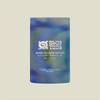
Marine Collagen Peptides
Pure Type I collagen peptides from MSC certified wild-caught
Norwegian cod. Low molecular weight (3,000 Daltons). Nothing
else in the bag; just 96% protein. Unflavoured, virtually
tasteless and odourless.
check_circle In Stock

Marine Collagen Peptides
Key highlights
expand_more
Pure Type I collagen peptides from MSC certified wild-caught North Atlantic cod. Low molecular weight (3,000 Daltons). 96% protein per serve. Nothing else in the bag.
Unflavoured, virtually tasteless and odourless. Dissolves instantly in hot or cold liquids.
Lab tested. No fillers. No additives. Single ingredient.
200 grams
Ingredients
expand_more
Ingredients: Hydrolysed collagen peptides (cod skin, Gadus morhua).
Contains: Fish (cod).
200 grams, serving scoop included
Packed in Australia from Norwegian ingredients.
Benefits
expand_more
- Type I collagen; the most abundant structural protein in skin, hair, nails and connective tissue
- 96% protein per serve with a complete amino acid profile
- Rich in glycine, proline and hydroxyproline
- Low molecular weight (3,000 Daltons); approximately half the size of most collagen powdersSingle ingredient; no fillers, flavours or sweeteners
- MSC certified wild-caught Norwegian cod
- Dissolves instantly in hot or cold liquids
- Lab tested; results available on request
Directions
expand_more
Mix 1 scoop (6g) into water, coffee, a smoothie or whatever you're drinking. Hot or cold. 33 serves per bag. Store in a cool, dry place below 25°C.
Bundles: 1 Pouch
Main Benefits
Not all collagen is made equal.
Pure protein
96% protein per serve with zero fillers, flavours or sweeteners. Just hydrolysed collagen peptides from wild-caught Norwegian cod. Nothing else in the bag.
Low Molecular Weight
At ~3,000 Daltons, these peptides are approximately half the
molecular weight of most collagen powders on the market (5,000+ Daltons). Smaller peptides dissolve faster and are the format used in the majority of published collagen research.
Type I Collagen Peptides
Type I collagen is the most abundant structural protein in the human body, found in skin, hair, nails, bones and connective tissue. It's one of the most widely researched protein types in nutritional science.
Sustainable source
Sourced from an MSC certified fishery in the North Atlantic. Wild-caught cod, not farmed. The raw material is a byproduct of the fishing industry, meaning nothing goes to waste.
FAQs
What's it made from?
expand_more
Hydrolysed collagen peptides from wild-caught North Atlantic cod (Gadus morhua). One ingredient. No fillers, no flavours, no sweeteners.
Why marine collagen over bovine?
expand_more
Marine collagen is predominantly Type I, the most abundant collagen type in the human body. It typically has a lower molecular weight than bovine collagen. Most published collagen research uses marine-derived Type I peptides.
What does 3,000 Daltons mean?
expand_more
Daltons measure molecular weight. A lower number means a smaller peptide chain. Most collagen powders are 5,000+
Daltons. Ours is ~3,000, roughly half the size, which is the range used in the majority of published studies.
Does it taste or smell like fish?
expand_more
No. It's virtually tasteless and odourless. Mix it into coffee, water, smoothies or food without changing the flavour.
Can I take it while pregnant or breastfeeding?
expand_more
Collagen peptides are a food-grade protein, but check with your healthcare professional before adding any new supplement during pregnancy or breastfeeding.
What collagen actually does
Collagen is the most abundant protein in the human body, making up roughly 30% of total protein. It's a structural component of skin, hair, nails, bones, tendons, and joints. Hydrolysed collagen peptides are collagen broken down into smaller chains through enzymatic processing. At ~3,000 Daltons, these are about half the size of most collagen powders on the market, which is the range most commonly used in published collagen research.
Type I collagen is the predominant type found in skin and connective tissue. Marine collagen from cod is almost entirely Type I, which is why it's become the most widely studied form.