


by Blue Tung
Glycogen: What It Is and Why Oysters Are Loaded with It
Glycogen: What It Is and Why Oysters Are Loaded with It
Free domestic shipping on orders over 100$. Free NZ shipping on orders over 150$. ꩜ Now shipping worldwide ꩜


Pure Japanese Magaki oyster extract. Rather than simply drying and grinding oysters, this extract uses high-pressure enzymatic processing at 60 MPa to break proteins down into peptides. Zinc, iron, taurine and glycogen stay fully intact in their naturally occurring form. No fillers, no flow agents, no solvents.
check_circle In Stock
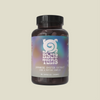
Japanese Oyster Extract Capsules
Key highlights
expand_moreSourced from Pacific oysters (Crassostrea gigas) harvested in the Seto Inland Sea, Japan. Processed using high-pressure enzymatic extraction at 60 MPa, which breaks proteins into peptides without heat damage, keeping the full nutrient profile intact. No fillers, no flow agents, no solvents. Heavy metals tested. Lab results available on request.
Ingredients
expand_moreIngredients: Oyster extract (Crassostrea gigas), bovine gelatin capsule.Contains: Shellfish (oyster).
90 capsules (400mg)
Packed in Australia from Japanese ingredients.
Benefits
expand_moreDirections
expand_moreServing size: 3 capsules. 30 serves per bottle.

Bundles: 1 Bottle


Main Benefits
These key amino acids occur naturally in oyster extract, preserved through enzymatic processing alongside zinc, glycogen and trace minerals.
Most oyster supplements are dried and ground whole.
This extract uses high-pressure enzymatic processing
at 60 MPa to break proteins down into peptides,
preserving the full nutrient profile in its
naturally occurring form.
Zinc from whole-food sources comes alongside
naturally occurring cofactors like copper and
magnesium. Oyster extract provides these minerals
together, as they occur in the whole food.
No fillers, no flow agents, no solvents, no bulking powders. Just pure oyster extract in a bovine gelatin capsule. Two ingredients. That's it.
Where is it from?
expand_morePacific oysters (Crassostrea gigas) from the Seto Inland Sea, Japan. Processed using high-pressure enzymatic extraction and encapsulated in Australia.
What makes this different from other oyster supplements?
expand_moreMost oyster supplements are dried and ground whole. This extract uses enzymatic processing at 60 MPa to break
proteins down into peptides, preserving the full nutrient profile in its naturally occurring form.
What if I'm allergic to shellfish?
expand_moreThis product is 100% pure oyster, so this is not for you if you have a shellfish allergy.
Does it taste or smell like oysters?
expand_moreNo. It's a dry powder inside a capsule. No taste, no fishy smell.
Is it tested for heavy metals?
expand_moreYes. Full heavy metals lab panel available on request.

Oysters are one of the most nutrient-dense whole foods on the planet. They're one of nature's richest sources of zinc, and they also contain taurine, glycogen, iron, copper, B12 and a broad amino acid profile. Few single foods deliver this range of minerals and amino acids together.
These nutrients are found across a range of whole foods, though concentrations vary widely depending on the source. This extract concentrates all of that into a capsule, using
enzymatic processing at 60 MPa to break proteins into
peptides while preserving the full nutrient profile. No
fillers, no flow agents. Just oyster.
by Blue Tung
Glycogen: What It Is and Why Oysters Are Loaded with It
Glycogen: What It Is and Why Oysters Are Loaded with It
Read more

by Blue Tung
Taurine: What It Is, Where It's Found, and Why Researchers Are Paying Attention
Taurine is one of the most abundant amino acids in the human body, found in high concentrations across multiple tissue types. Unlike most amino acids, taurine isn't used to build proteins. Here's what makes it unique and why oysters are one of the richest whole food sources.
Read more

by Blue Tung
What Are Capsule Fillers? Why Most Supplements Use Them (And Why We Don't)
Fillers exist to make manufacturing easier. They're everywhere in the supplement industry because they solve production problems, not health problems. We skipped them entirely and we'd rather give you a capsule that's 100% what it says it is.
Read more

by Blue Tung
Whole Food Zinc vs Zinc Tablets: What's the Difference?
Oysters are one of the most zinc-dense foods on the planet. But the zinc isn't the whole story. When you consume zinc through oyster extract, it arrives with a full profile of naturally occurring co-factors.
Read more

We promise we don't spam. Receive emails about sales, product launches and occasional education.